


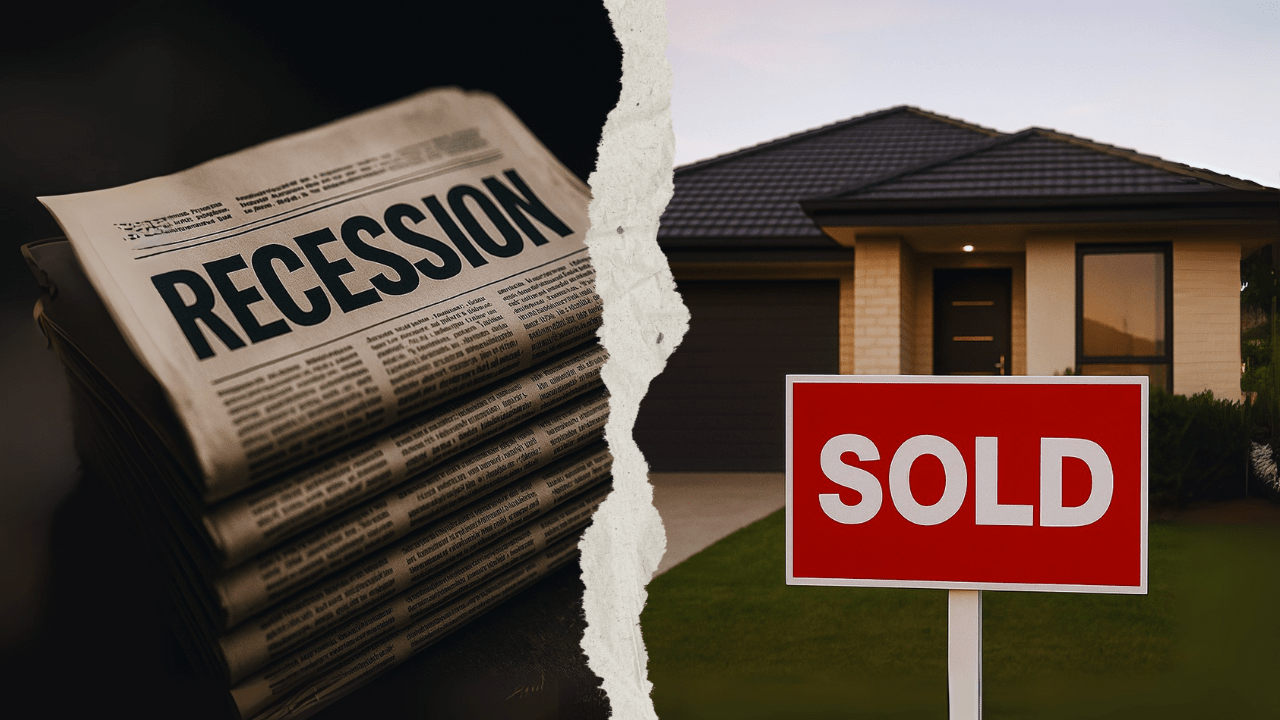
In 2025, more Aussies are sitting on the sidelines than ever before, asking the same question: Should I wait for the property market to crash before buying in? It’s a fair concern—but it could be a costly one.
1. How Savvy Investors Are Already Buying Property Before the Crash
Buying property before the crash might sound counterintuitive, especially when media headlines are shouting about a looming downturn. But here’s the thing: the media thrives on fear, and fear sells. Smart investors know this. They understand that while everyone else is waiting for the sky to fall, savvy buyers are quietly acquiring valuable assets — often at a discount.
In fact, data from CoreLogic has shown that investor activity tends to rise just before prices rebound. Why? Because investors look at fundamentals — not just emotions. Population growth, infrastructure spending, and tight rental markets often indicate opportunity, not disaster. So while everyone else is sitting on the sidelines, they’re jumping in.
2. The Truth Behind “Overpriced” Property
A lot of people claim that the market is overpriced. But compared to what? Interest rates are stabilising, rents are increasing, and the cost of new construction has skyrocketed due to supply shortages. All these factors support current property prices and are likely to push them higher.
Buying property before the crash means looking past the noise and focusing on long-term value. Historical data supports this too — Australian property values have doubled roughly every 10 years despite economic hiccups. So waiting for a massive drop could actually cost you more than getting in now.
3. The Risks of Waiting vs. Buying Property Before the Crash
One of the oldest sayings in real estate is still true: time in the market beats timing the market. Buying property before the crash gives you the advantage of early positioning. Instead of waiting for the “perfect” time (which doesn’t exist), you ride the cycles and build equity while others hesitate.
This strategy also works psychologically. It removes the constant stress of trying to pick the bottom and instead focuses on building a portfolio that performs over decades. You get in, stay in, and let the market do its thing.
4. Government Policy Favouring Property Owners
Another reason buying property before the crash makes sense? Government policy. Whether it’s negative gearing, capital gains tax discounts, or first-home buyer grants, the system continues to favour those who own real estate. And with immigration rebounding strongly in 2025, demand is set to outstrip supply for years.
In fact, the National Housing Finance and Investment Corporation predicts a shortfall of over 100,000 homes by 2027. That’s not just a statistic — that’s an opportunity. Investors who buy early can benefit from capital growth and rising rents in undersupplied areas.
5. It’s Not Just What You Buy, It’s Where and How
Not all properties are created equal. Buying property before the crash doesn’t mean buying anything and everything. It means being strategic. Look for high-yield areas, growth corridors, and properties that offer value-add potential through renovation or subdivision.
At Positive Property, we help investors identify these opportunities — using data, not guesswork. We’ve helped thousands of Australians create financial freedom by getting in early, getting the right guidance, and staying the course. And the results speak for themselves.
The Bottom Line
Buying property before the crash isn’t about reckless optimism. It’s about understanding the cycles, trusting the numbers, and acting while others are paralysed by fear. If you’re serious about building wealth in 2025 and beyond, now could be your golden window.
Want to hear more real insights from investors who’ve done it? Tune in to the full podcast episode with George & Christina, where we dive deeper into these strategies and reveal what’s working right now.
🎧 Why Investors Are Quietly Buying While Everyone Else Waits for a Crash — available now on Spotify, Apple Podcasts, or YouTube.
Because when the market panics, the smart money gets to work.